Japan’s Keio Corporation confirms ransomware attack disrupted business systems

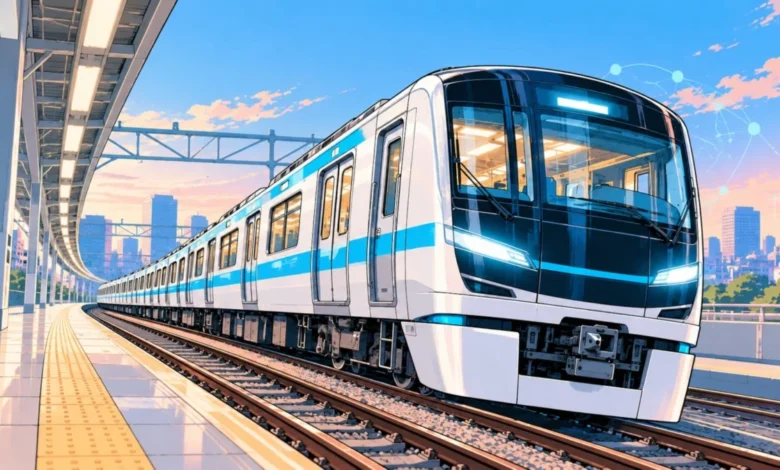
The Japanese transit landscape faced significant instability this past weekend as two of the nation’s most prominent transportation operators, Keio Corporation and Tokyo Metro, reported separate cybersecurity incidents. Keio Corporation, a conglomerate managing an extensive railway network and a sprawling portfolio of hospitality services, confirmed on September 26, 2026, that it had fallen victim to a sophisticated ransomware attack. The breach forced the company to initiate emergency containment protocols, effectively severing network connectivity to prevent the further spread of malicious encryption across its corporate infrastructure.
A Timeline of the Keio Corporation Breach
The disruption began in the early hours of Saturday, September 26, when internal monitoring systems flagged anomalous activity across the company’s server architecture. By the time the incident response team was mobilized, attackers had already successfully deployed ransomware payloads. Recognizing the severity of the threat, Keio Corporation’s information technology department executed an immediate, proactive shutdown of affected networks.
While the railway operator remains tight-lipped regarding the specific variant of ransomware used in the attack, the company has confirmed that it has engaged external cybersecurity forensic experts to assist in the investigation. The primary focus of this ongoing inquiry is to establish the "attack vector"—the specific path or vulnerability through which the threat actors gained initial access—and to determine the extent of data exfiltration. As of Monday, the company has formally reported the incident to the Tokyo Metropolitan Police, initiating a criminal investigation into the intrusion.
Operational Impact and Scope of Disruption
Keio Corporation operates as a dual-faceted enterprise: a vital railway operator maintaining 85 kilometers of track across 69 stations, and a hospitality giant managing 25 hotels under the Keio Plaza brand. Preliminary findings indicate that the cyberattack was surgically targeted, impacting the company’s hospitality-related business systems while leaving core railway operational systems—such as signaling, automated train controls, and safety mechanisms—entirely unaffected.
The impact, however, was felt acutely by hotel guests and customers attempting to utilize digital reservation and payment systems. Reports from local media suggest that the attack crippled internal payment processing platforms, leading to potential delays in customer-facing services and administrative bottlenecks. The Keio Plaza Hotel Tokyo, in a separate public advisory, warned clients that intermittent service interruptions might persist as the technical team works to sanitize and restore the affected servers from secure backups.
The Broader Cybersecurity Landscape in Japanese Transit
The simultaneous reporting of a security incident at Tokyo Metro has raised questions regarding whether Japanese infrastructure is facing a coordinated campaign by a state-sponsored or organized criminal entity. Tokyo Metro, which services approximately 7 million passengers daily across 195 kilometers of subway lines, disclosed that unauthorized parties successfully accessed its systems.
Unlike the Keio incident, which involved the locking of files via ransomware, the Tokyo Metro breach appears to have been an unauthorized exfiltration event. The attackers managed to gain access to a database containing the email addresses of 59,000 members. The subway operator stated that it had identified the security vulnerability—a specific weakness in its web-facing systems—and patched it immediately upon discovery.
While the two incidents occurred within the same timeframe, cybersecurity analysts remain cautious about linking them definitively. The tactics, techniques, and procedures (TTPs) employed by the threat actors differ significantly: one focused on operational disruption through encryption, while the other focused on data theft. Nevertheless, the proximity of these events highlights the increasing vulnerability of critical infrastructure to digital sabotage.
Financial and Organizational Context
Keio Corporation is a massive economic entity in the Kanto region, with a workforce exceeding 2,200 employees and an annual revenue footprint of approximately $2.6 billion. The company’s resilience is currently being tested as it balances the need for transparent communication with the technical challenges of restoring complex legacy systems.
The financial implications of such an attack are multi-layered. Beyond the immediate costs associated with incident response, forensic analysis, and the potential loss of revenue from hospitality downtime, the company faces the long-term challenge of reputational damage. In the Japanese corporate environment, where trust is a fundamental component of business operations, the handling of data privacy and system integrity is subject to intense public and regulatory scrutiny.
Cybersecurity Implications for Critical Infrastructure
The events at Keio and Tokyo Metro serve as a stark reminder of the "AI-speed" threat landscape that modern organizations face. As cybercriminals integrate automated tools and artificial intelligence into their toolkits, the window for defense continues to shrink. The incident underscores the necessity for a "security-by-design" philosophy, where organizations do not merely react to breaches but anticipate them through rigorous, continuous validation of their security blueprints.
The Japanese government, through the National Center of Incident Readiness and Strategy for Cybersecurity (NISC), has long advocated for increased coordination between private rail operators and national authorities. However, the sheer scale of these networks makes them attractive targets for ransomware groups who prioritize high-visibility organizations to increase leverage for ransom negotiations.
Moving Forward: Recovery and Mitigation
Keio Corporation’s current priority is the restoration of its business systems. This process is rarely straightforward in a post-ransomware environment. Forensic teams must ensure that the threat actors’ persistence mechanisms—such as backdoors or compromised administrative credentials—are completely purged before systems are brought back online. Failure to do so could result in a secondary, more damaging attack.
Industry observers suggest that the company will likely adopt a more stringent zero-trust architecture following this incident. This involves verifying every request to the network, regardless of its origin, and limiting access to sensitive data to only those employees who absolutely require it for their roles. Furthermore, the reliance on external experts suggests that Keio recognizes the limitations of its internal IT capabilities when faced with advanced persistent threats (APTs).
Conclusion and Future Outlook
As of the current writing, no major ransomware gang has claimed responsibility for the attack on Keio Corporation. This is not uncommon in the initial stages of a breach, as attackers may be holding off on publicizing the leak to allow for private negotiations or to avoid tipping off law enforcement.
The transportation sector in Japan will likely see a surge in security audits in the coming months. The dual impact on Keio and Tokyo Metro acts as a bellwether for the rest of the industry, signaling that the digital transformation of transit services must be accompanied by equally robust investments in defensive cyber-resilience. As the investigation progresses, the findings will be critical not only for Keio’s recovery but for the broader development of national security protocols aimed at protecting the daily lives of millions of commuters.
The situation remains fluid, and as Keio Corporation continues its internal review, the lessons learned from this breach will undoubtedly inform future cybersecurity strategies across the Japanese rail and hospitality sectors. The public and stakeholders are currently awaiting further updates from the company, particularly regarding whether any personal data belonging to hotel guests or business partners was compromised during the intrusion. Until then, the focus remains firmly on the containment of the threat and the gradual, secure restoration of the firm’s essential business functions.
Related posts: